Main Line: (907) 235-8101

South Peninsula Hospital’s General Surgery Clinic provides full-spectrum general surgery services right here in Homer, allowing many patients to receive high-quality surgical care close to home.

Our team diagnoses and treats a wide range of conditions, including hernias, gastroesophageal reflux disease (GERD), hemorrhoids, diverticulitis, colon cancer, gallbladder disease, appendicitis, abscesses, perianal conditions (including fissures and fistulas), and benign soft tissue growths such as cysts and lipomas. 

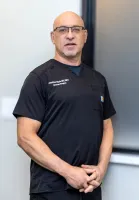
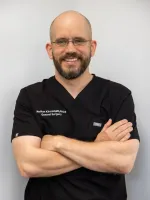
The clinic’s team brings broad experience across outpatient, inpatient, and operating room settings. Our surgeons trained at high-volume, Level I trauma centers in Houston, Dallas, and Atlanta, with a strong emphasis on minimally invasive surgery. Our nurse practitioner has an extensive background in pediatric, general, and trauma surgery, and the clinic supports surgical education by hosting a visiting resident each year as part of a rural surgery rotation.

Services

Surgery

We provide comprehensive general surgery services and utilize advanced surgical and endoscopic technology to support safe, high-quality care across a wide range of procedures. Whenever appropriate, our team uses minimally invasive surgical techniques supported by advanced technology to promote safety, precision, and faster recovery.

In addition to common general surgery procedures, the clinic offers specialized treatments such as hemorrhoidal artery ligation and proctopexy using endo-anal ultrasound, a procedure available at relatively few surgical centers.

3D Laparoscopy

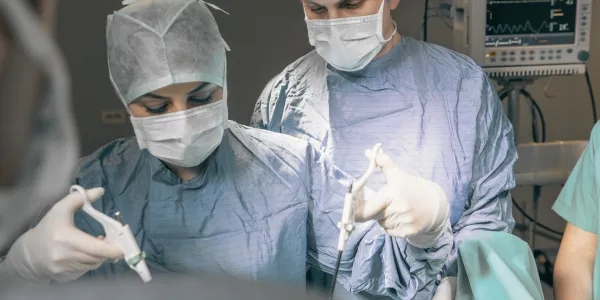
Our surgeons utilize advanced 3D laparoscopic technology, which provides enhanced depth perception and visualization during minimally invasive procedures. This technology supports complex surgeries such as hernia repair, anti-reflux surgery (including hiatal hernia repair and fundoplication), and colon resections.

The system also incorporates indocyanine green (ICG) imaging, which allows surgeons to assess blood flow to the intestine in real time. Confirming adequate blood supply during bowel surgery helps reduce the risk of complications such as leaks. ICG can also be used during gallbladder surgery to improve identification of critical structures and enhance surgical safety.

Endoscopy

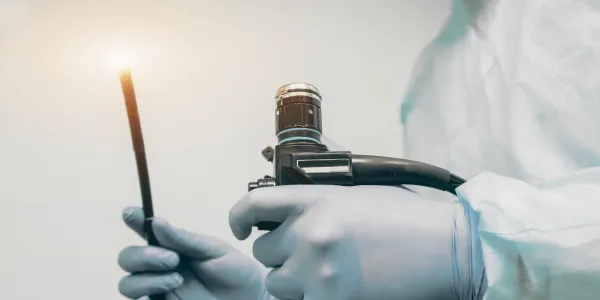
Endoscopy allows physicians to examine the inside of the digestive tract using a thin, flexible camera inserted through the mouth or rectum. These procedures help diagnose and treat conditions affecting the esophagus, stomach, and intestines, including reflux, ulcers, bleeding, inflammation, and polyps.

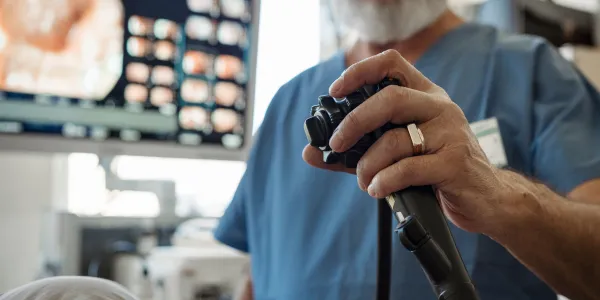
For diagnostic and screening procedures, the clinic uses a state-of-the-art Olympus endoscopy system for colonoscopies and upper endoscopies (EGDs). Enhanced imaging technology, including TXI (texture and color enhancement imaging), improves the detection and removal of small pre-cancerous polyps. The system also provides access to argon plasma coagulation (APC), which allows providers to control gastrointestinal bleeding and treat small lesions when needed.

Colonoscopy 

Colonoscopy is a screening and diagnostic procedure used to examine the large intestine (colon) for abnormalities such as polyps, inflammation, or early signs of colorectal cancer. During the procedure, a flexible camera allows the physician to carefully evaluate the lining of the colon and remove polyps when present. Colonoscopy plays an important role in the early detection and prevention of colorectal cancer and is commonly recommended as a routine screening beginning at age 45 or earlier for individuals at higher risk.


Pre- and Post-Surgery Care

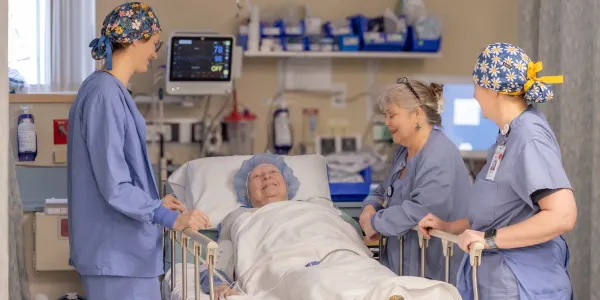
Preparing for surgery and recovering afterward are important parts of achieving the best possible outcome. Before surgery, patients meet with their surgical team to review their medical history, discuss the procedure, and receive instructions for safely preparing for the operation. 

After surgery, follow-up care helps ensure healing is progressing as expected. Patients typically have a follow-up appointment with their surgeon to review recovery, address any concerns, and guide the next steps in returning to normal activities.

Contact General Surgery Clinic

(907) 235-3225

What to Expect as a Patient

Consultation and Exam

Your first visit is typically a consultation, where youll meet with one of our providers to talk through your concerns, medical history, and goals. A physical exam is performed, and additional testing or imaging may be recommended. In some cases, such as hemorrhoids or minor skin lesions, same-day procedures may be possible. Most surgeries, however, are scheduled for a later date.

Pre-Op Visit and Prep

Before surgery, youll have a pre-operative visit with our nurse practitioner to review instructions, medications, and what to expect. Lab work or additional testing may be required ahead of time.

Surgery Day

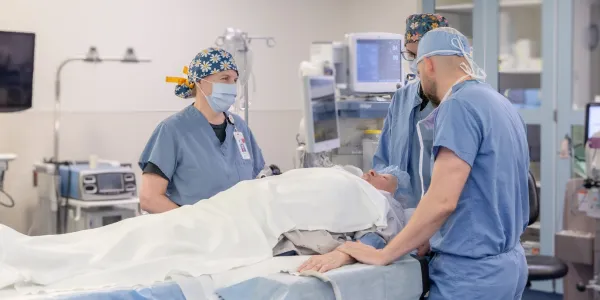
On the day of surgery, youll meet with your surgeon before the procedure. Some surgeries are outpatient, meaning you go home the same day, while others require an overnight stay for monitoring and recovery. 

Follow-Up

When you leave, youll receive clear written instructions and contact information for questions or concerns. Follow-up visits with your surgeon or nurse practitioner are scheduled as needed to support your recovery.

Referrals

We collaborate closely with other departments across the hospital. When needed, patients are referred to oncology, gastroenterology, or other specialty services. If advanced testing or highly specialized surgical care is required, referrals to regional partners in Anchorage are coordinated.

FAQ

How do I prep for my colonoscopy?

Detailed bowel preparation instructions are available on this webpage. It’s very important to follow these instructions closely to ensure accurate results and avoid delays. If you have questions, please call the clinic.

What if I have questions about my pre- or post-surgery instructions?

Please call the clinic. Our team is happy to answer questions and help clarify instructions.

What procedures do you perform?

We provide comprehensive general surgery services, including:

  • Upper endoscopy (EGD)
  • Colonoscopy
  • Hernia repair (inguinal, ventral, umbilical; laparoscopic and open)
  • Gallbladder removal (laparoscopic cholecystectomy)
  • Appendectomy (laparoscopic)
  • Colon and small bowel resections
  • Ostomy reversal (laparoscopic and open)
  • Anti-reflux surgery (laparoscopic nissen fundoplication)
  • Hemorrhoid treatments (banding, excision, artery ligation, proctopexy)
  • Cyst, lipoma, and skin lesion removal
  • Mediport/Port-a-Cath placement and removal
  • Wound debridement and pilonidal cyst excision
  • Anal fistula and fissure procedures

What technology do you use?

The General Surgery Clinic uses advanced surgical and endoscopic technology to support safe, high-quality care across a wide range of procedures.

Our surgeons utilize a 3D laparoscopic system, which enhances visualization during complex minimally invasive surgeries such as hernia repairs, anti-reflux surgery (including hiatal hernia repair and fundoplication), and colon resections. This system also includes indocyanine green (ICG) imaging, which allows surgeons to assess blood flow to the intestine in real time. By confirming adequate blood supply during bowel surgery, ICG helps reduce the risk of complications such as leaks and can also be used during gallbladder surgery to improve identification of critical structures.

For diagnostic and screening procedures, the clinic uses a state-of-the-art Olympus endoscopy system for colonoscopies and upper endoscopies (EGDs). Enhanced imaging technology, including TXI (texture and color enhancement imaging), improves the detection and removal of small, pre-cancerous polyps. We also have access to argon plasma coagulation (APC), which allows providers to control gastrointestinal bleeding and treat small lesions when needed.

In addition, the clinic uses endo-anal ultrasound technology to perform specialized procedures such as hemorrhoidal artery ligation and proctopexy, an advanced technique offered by relatively few surgical centers.

Where will my surgery take place?

Most procedures are performed in the hospital’s operating room or endoscopy suite. Some minor procedures, such as skin lesion removal, hemorrhoid banding, wound care, or mediport removal, may be performed in the clinic.

What is the difference between the General Surgery Clinic and the Surgery Department?

The General Surgery Clinic is where you meet with your surgeon in an office setting to discuss your condition and determine whether surgery is needed. The Surgery Department is where your procedure takes place.

Do I need a referral?

Most surgical procedures require a referral from a primary care provider. Routine screening colonoscopies do not require a referral, and patients may self-refer. If you are experiencing symptoms, we recommend seeing your primary care provider first to ensure appropriate evaluation.

Call (907) 235-3225

Insurance

We accept all insurances including Medicare, Medicaid, Tri-Care, BlueCross and Denali Kid Care. We highly recommend contacting your insurance company for pre-authorization and specifics regarding coverage of services. Payment plans and prompt payment discounts are available.