Main Line: (907) 235-8101

Sleep disorders affect far more than how rested you feel. Untreated sleep problems can worsen—or even cause—serious health conditions, including heart disease, stroke, high blood pressure, diabetes, depression, anxiety, and weakened immune function. Poor sleep also impacts mood, concentration, work and school performance, relationships, and overall quality of life.

Sleep disorders are serious, but they are also highly treatable. At South Peninsula Hospital’s Sleep Center, we evaluate and treat both adult and pediatric sleep disorders. Our team helps identify the cause of sleep problems and develops a personalized plan to improve sleep, health, and daily functioning.

Both in-lab and at-home sleep studies are available, and results are interpreted by a board-certified sleep disorders physician. A physician referral is required for a sleep study, however, you may schedule an appointment with a sleep specialist to discuss your concerns without a referral. Please call (907) 235-7200 to make an appointment with a sleep specialist.

Services

Sleep Medicine

Sleep medicine focuses on diagnosing and treating disorders that affect sleep quality, breathing during sleep, and daytime alertness. At the SPH Sleep Center, we offer both in-clinic and at-home sleep studies to evaluate conditions such as obstructive sleep apnea, insomnia, restless leg syndrome, excessive daytime sleepiness, and other sleep-related concerns.

Patients may complete testing overnight in a private, comfortable sleep suite or through a convenient home sleep test. Results guide individualized treatment recommendations aimed at improving sleep and long-term health, while preventing serious health conditions.

Cardiopulmonary

The Sleep Center brings together respiratory therapy, cardiac and pulmonary rehabilitation, and a cardiology clinic with visiting specialists. This integrated approach allows sleep care to be closely connected with heart and lung health, ensuring comprehensive evaluation and follow-up when sleep disorders overlap with cardiac or respiratory conditions.

Contact Sleep Center

(907) 235-7200

What to Expect as a Patient

If you’re experiencing symptoms of poor sleep, such as snoring, frequent waking, insomnia, restless legs, daytime fatigue, and sleepwalking, the first step is to discuss your symptoms with your primary care provider or make an appointment with a sleep specialist to evaluate your concerns. If a sleep disorder is suspected, your provider will refer you for a sleep study, either at-home or at the Sleep Center.

At-home sleep study

Many patients qualify for a home sleep test. These studies use a small, wearable monitoring device that tracks breathing, oxygen levels, heart rate, and snoring while you sleep in your own bed. The device syncs with a smartphone app and securely uploads your data for review. Home sleep studies are widely accepted by Medicare, Medicaid, and most insurers, and referrals can come from any provider.

In-lab sleep study

In-lab sleep studies provide more comprehensive monitoring. In-lab sleep studies are conducted by a licensed polysomnographic technician in our private sleep lab located in the main hospital building. Please call (907) 235-7200 when you arrive for your in-lab study so the technician can escort you.

FAQ

What are the symptoms of sleep disorders?

Commons symptoms of sleep disorders include snoring, frequent waking, insomnia, restless legs, daytime fatigue, and sleepwalking.

Do I need a referral?

Yes. A physician referral is required for all sleep studies.

What’s the difference between an at-home and in-lab sleep study?

At-home studies allow you to sleep in your own bed using a portable monitoring device and are often used to evaluate sleep apnea. In-lab studies provide more detailed data and may be recommended for certain symptoms or complex cases.

If I’m doing an in-clinic sleep study, what do I need to bring?

For an in-lab sleep study, we recommend bringing comfortable sleepwear, your usual bedtime toiletries, and any personal items that help you feel relaxed, such as a book or your own pillow. If you use medications at night, please bring them with you. You’re welcome to follow your normal bedtime routine as much as possible.

Do I need to do anything special before my sleep study?

In most cases, no special preparation is required. We encourage you to follow your normal routine as much as possible on the day of your study. Avoid caffeine and alcohol in the afternoon and evening, as they can affect sleep patterns, and try not to nap the day of your study unless your provider has advised otherwise. Be sure to take your regular medications unless your provider gives you different instructions.

If you’re scheduled for an at-home sleep study, our team will give you simple instructions on how to set up and use the equipment. If you have any questions, please give us a call.

What if I can’t fall asleep during the study?

This is a common concern. Even limited sleep can provide valuable diagnostic information, and our team is experienced in helping patients feel as comfortable as possible.

What happens after my sleep study?

Your results are reviewed by a board-certified sleep disorders physician and sent to your provider. You’ll then discuss a treatment plan based on your specific diagnosis and needs.

What kinds of treatments are available?

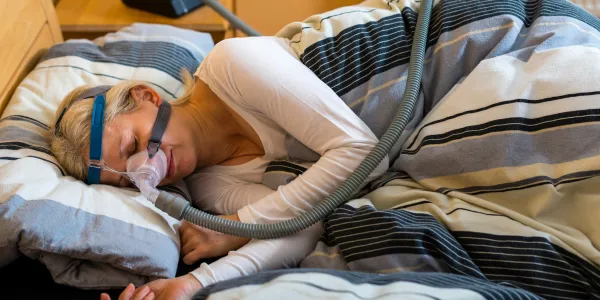
Treatment may include CPAP or other breathing devices, oral appliances, sleep positioning strategies, behavioral approaches, or medical management, depending on the condition identified.

Are sleep studies covered by insurance?

Most sleep studies are covered by insurance, including Medicare and Medicaid. We recommend checking with your insurance provider for specific coverage details.

Call (907) 235-7200

Insurance

We accept all insurances including Medicare, Medicaid, Tri-Care, BlueCross and Denali Kid Care. We highly recommend contacting your insurance company for pre-authorization and specifics regarding coverage of services. Payment plans and prompt payment discounts are available.